
Choose a language:
Choose a language:
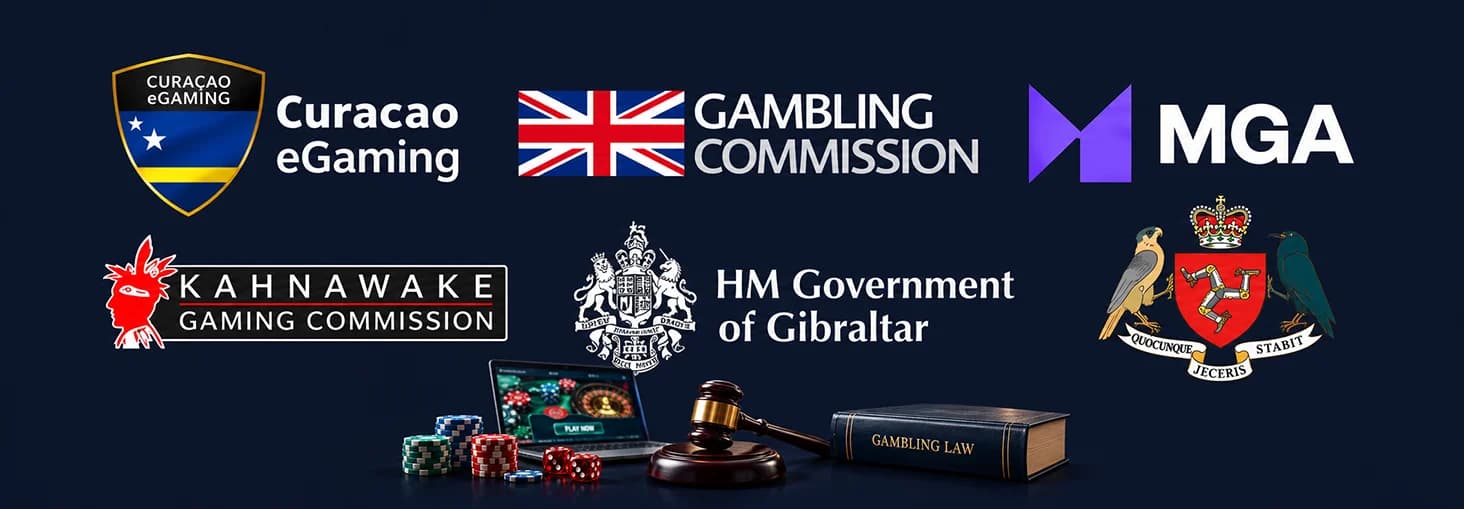
A casino gaming license shows that the operator has obtained approval from a licensing authority to offer its products and services under a legal structure. For players, this is one way of telling you who owns the casino and what rules are applied to its operations.
However, the logo of the licensing body, when displayed alone, is not an assurance that the casino is operating legally in your region. There is still verification needed and local regulations that need to be considered. Regulators have their own criteria, and the government has separate policies. For Bangladesh, going through these verifications will help you not just verify the casino license but also be aware of the rules that cover your region.
A casino license gives a casino operator permission to offer gambling services under a regulator’s rules. The regulator checks the operator before granting approval and can take action if it fails to meet its obligations.
“A casino license covers the operator. Game approval covers the game.”
These two approvals serve different purposes. A casino gaming license applies to the company running the gambling site. It allows the operator to offer the activities covered by its license. A game approval relates to a specific game or gaming system. It can confirm that the product meets the regulator’s technical or fairness requirements. An example of this is those certificates issued by gaming labs, such as eCogra and Gaming Labs International.
A game can hold the required approval while the website offering it still needs a valid operator license. Players should therefore check the casino’s own license rather than relying on game certifications alone.
Player account management – The casino should verify every player’s identity and protect account information. This helps in maintaining privacy and making sure all of the players comply with the required verification.
Game fairness – The casino must meet the standards for game integrity. Certificates from testing labs prove that all games underwent independent testing before they are offered on the platform. This gives confidence to players.
Responsible gambling – A casino should promote responsible gambling. They must offer options to control gambling habits. These usually include limits and self-exclusion. BetKhala promotes this program by offering a dedicated page where you can learn more about responsible gaming and giving you direct links to websites that can help with problem gambling.
Anti-money laundering – It is the casino’s responsibility to monitor transactions and flag suspected fraud. If something is suspicious, they may need to provide identification and explain the transaction before processing it.
Financial and operational requirements – Regulators require the casino to maintain proper financial records and ensure it meets the rules for handling player funds. This gives confidence to players that the operator manages the business properly.
Complaints and disputes – A casino should have a straightforward process for handling complaints filed by players. Some regulators may have access to the dispute if the casino does not resolve it.
A casino gaming license is important because it tells you which regulator approves it and oversees the operator’s rules. Licensing standards vary per region, but the basic goal of all of them is to have a safe gaming platform for every player. They set different criteria that should be met by the casino operator for it to obtain the license. Some regulators also require the operator to submit a certification from an independent testing center to prove that its games are all tested for fairness. Casino licensing matters because it is a clear sign that the operator wants more than just to offer its games, but to promote a safer and trusted gaming platform for every player.